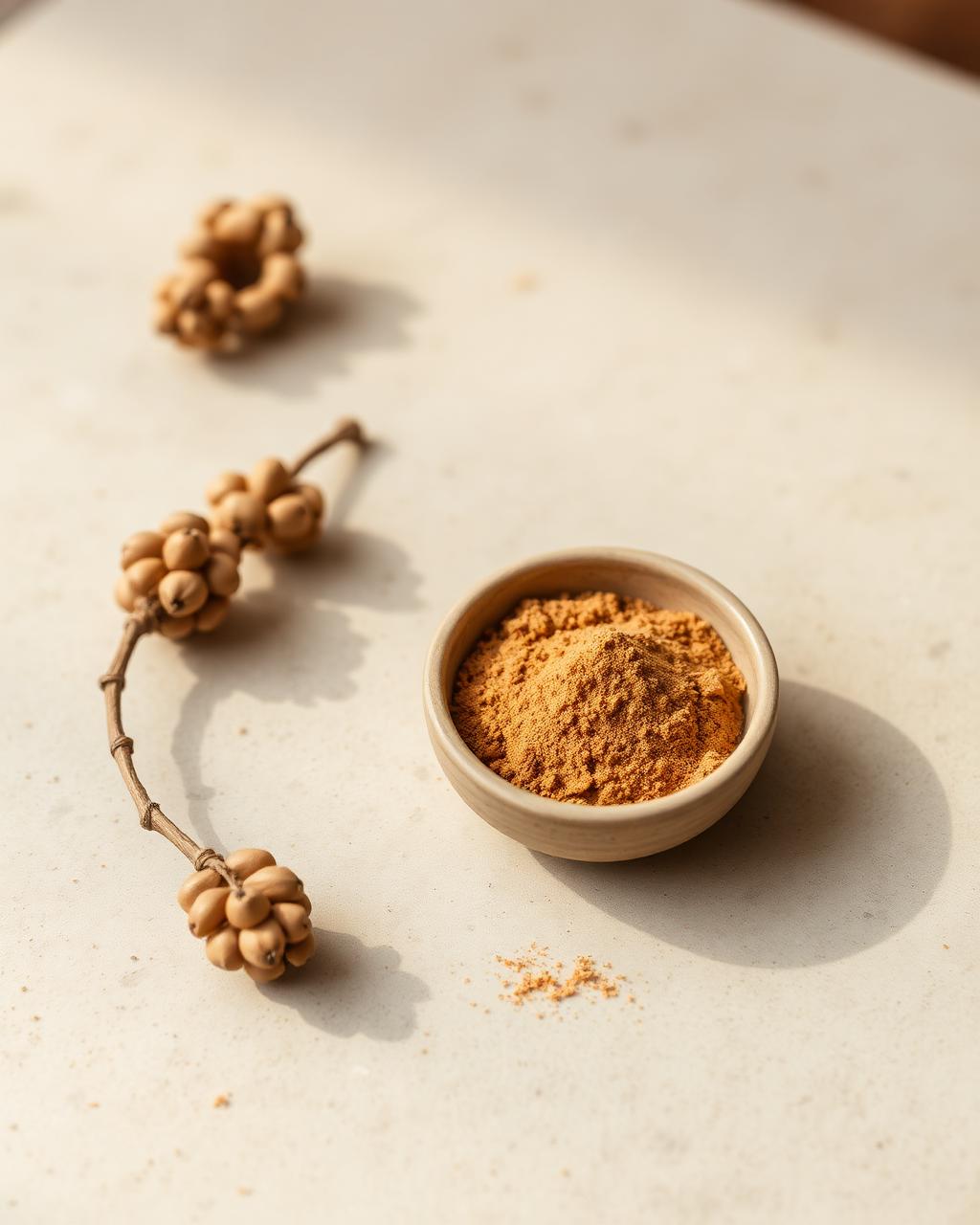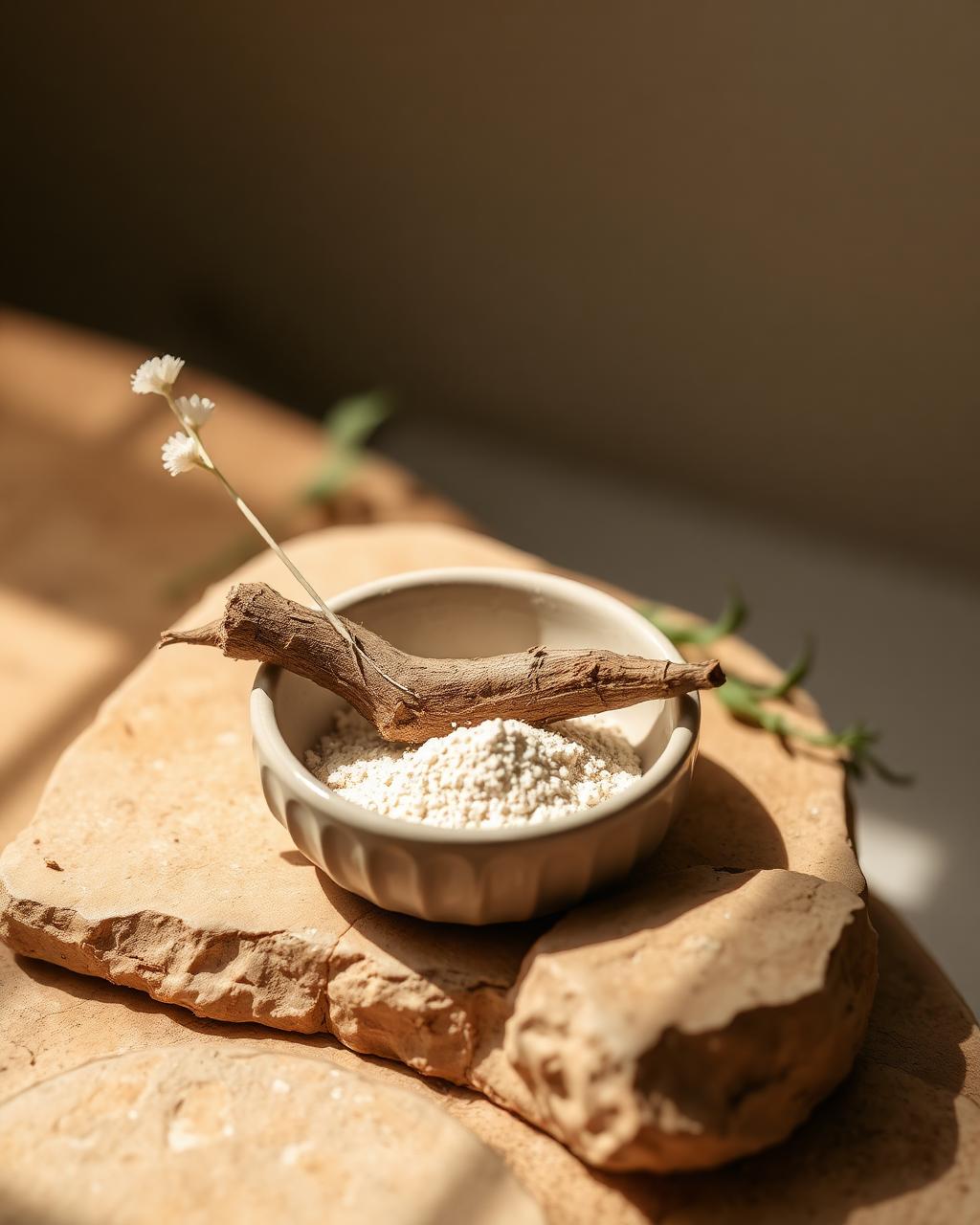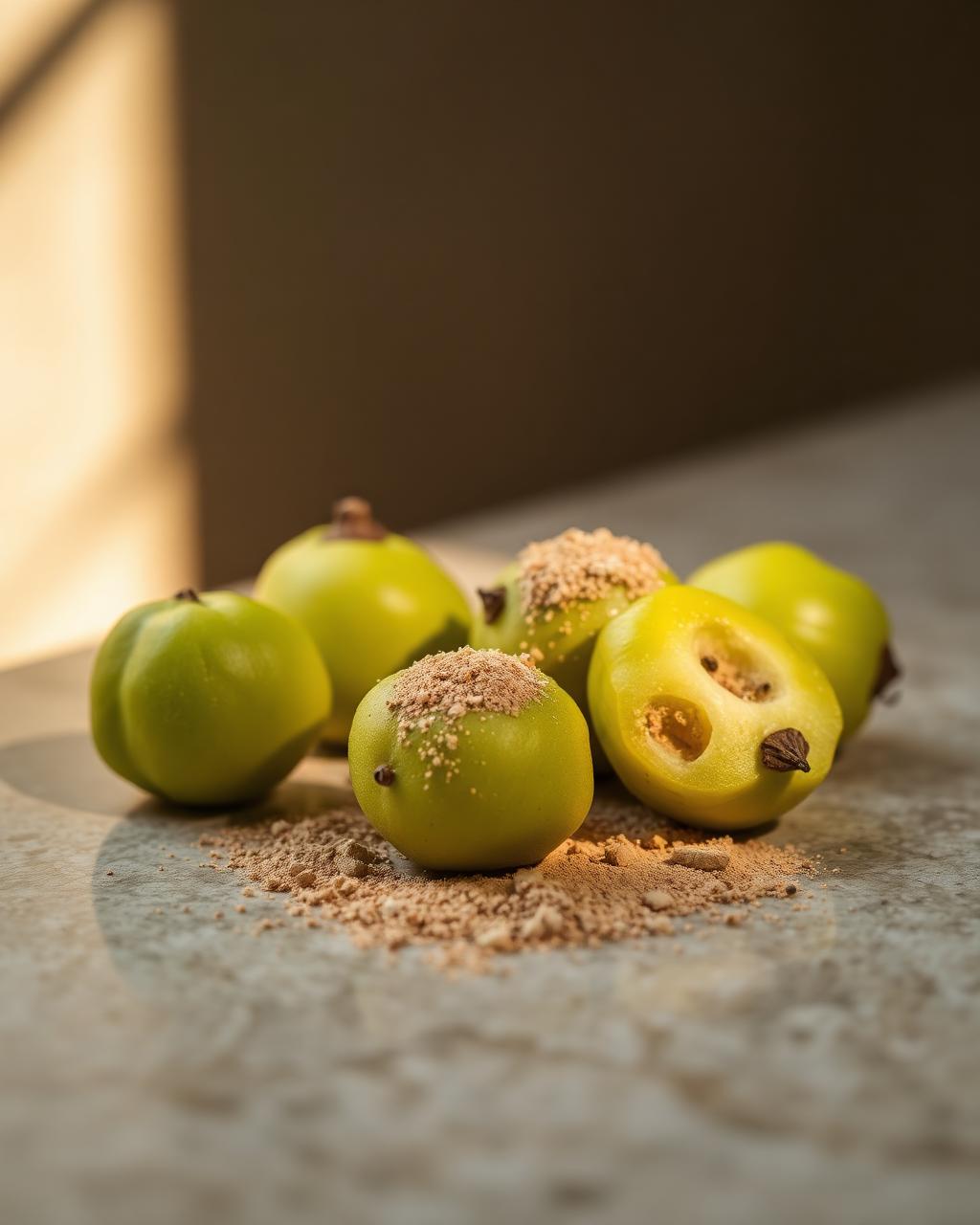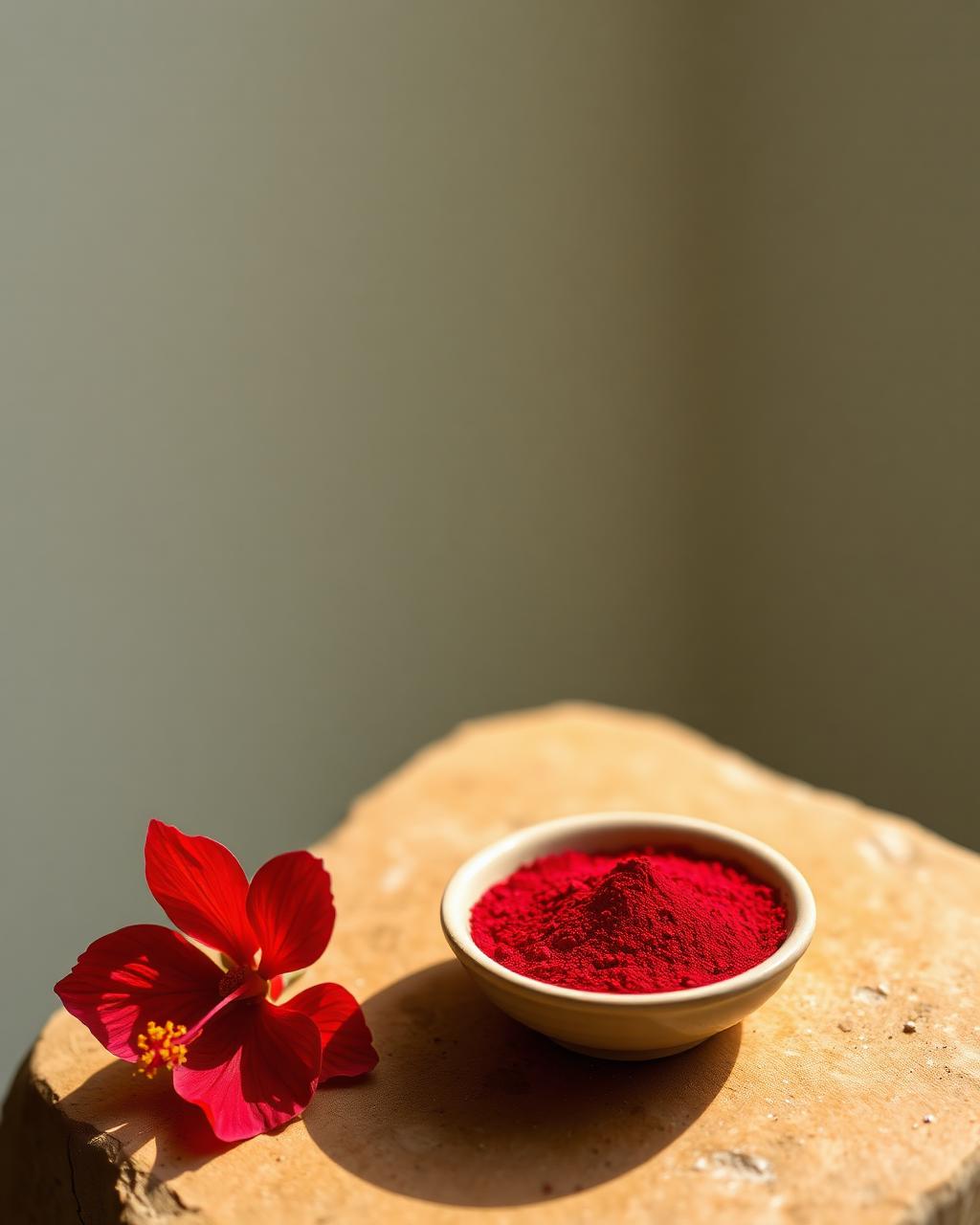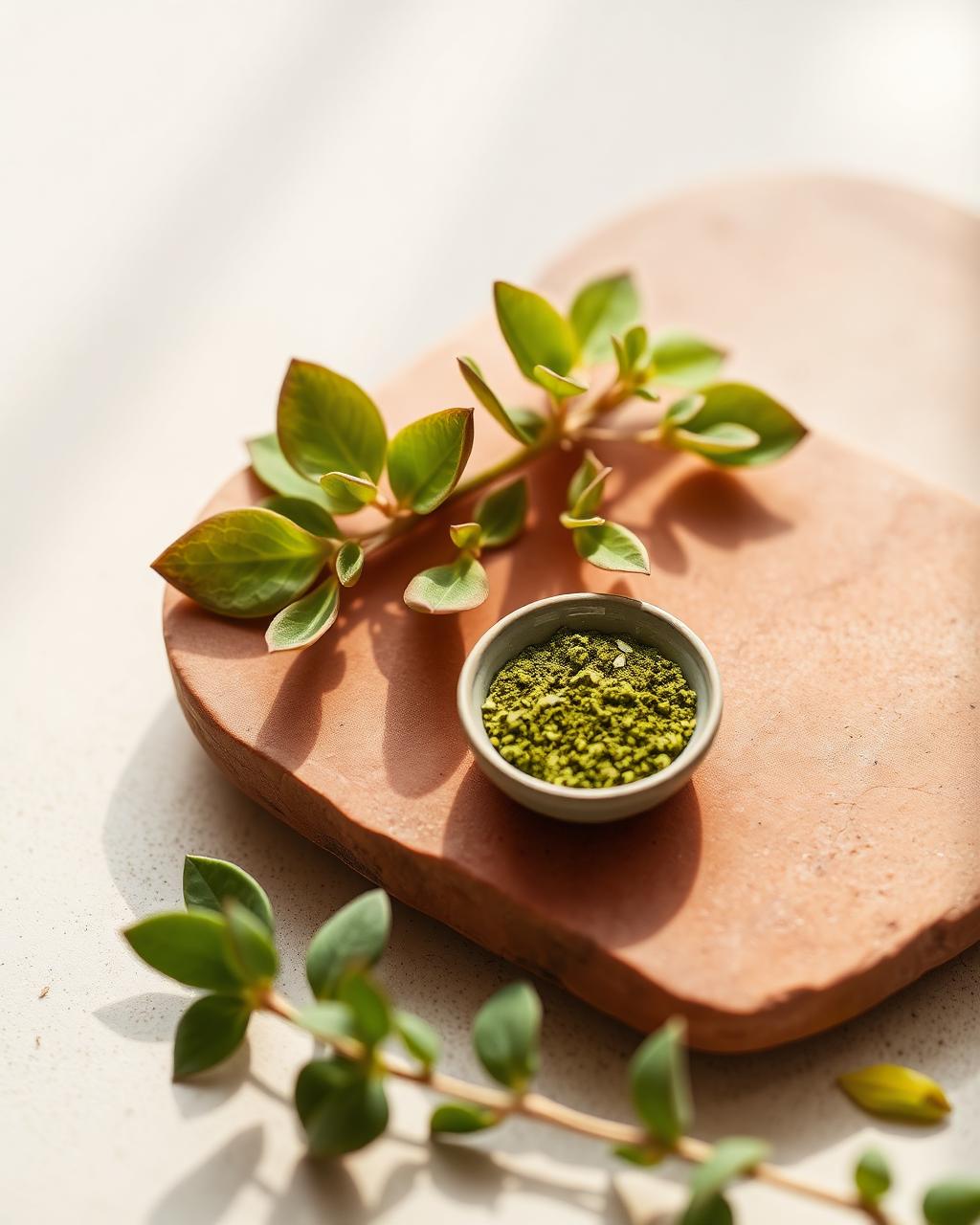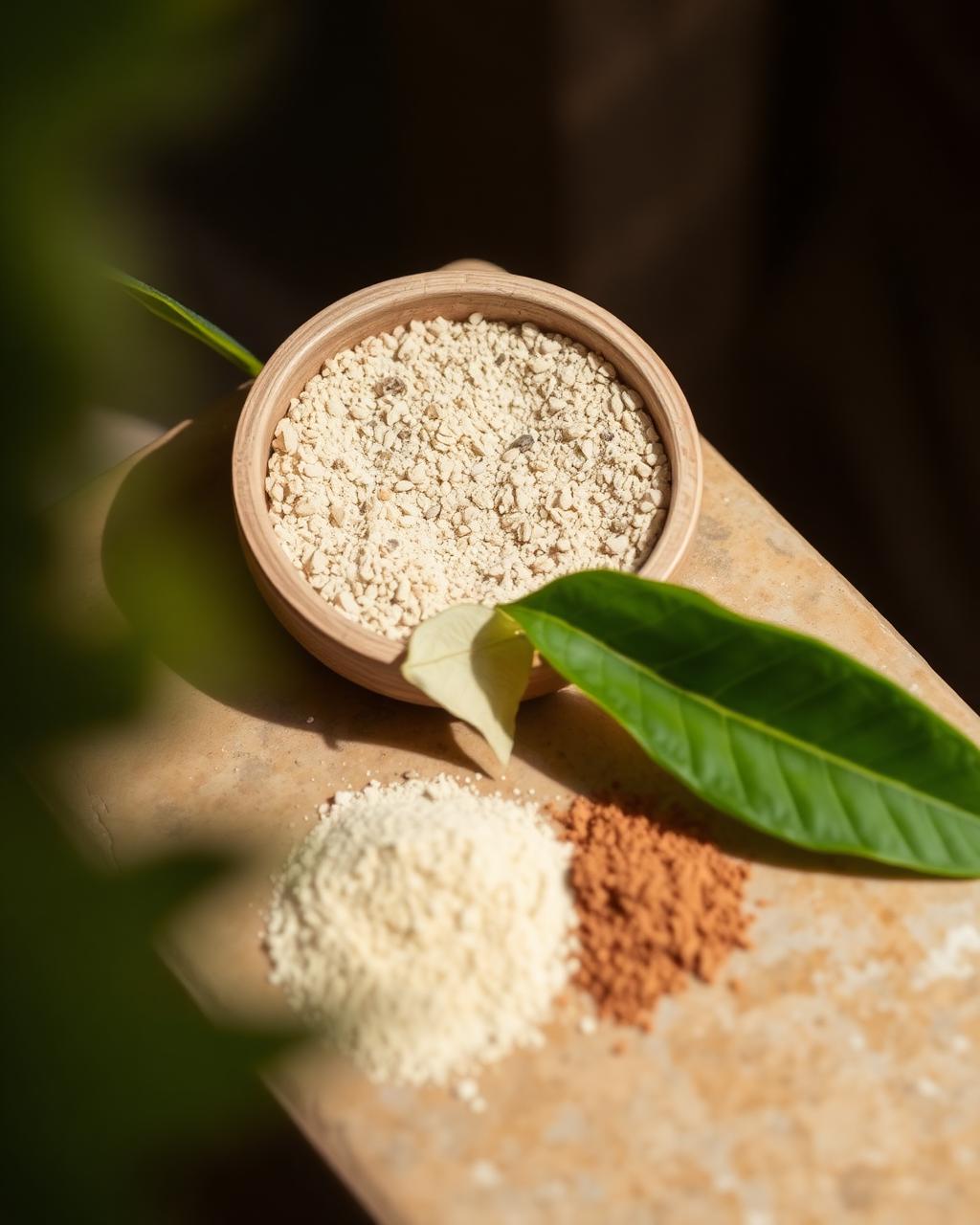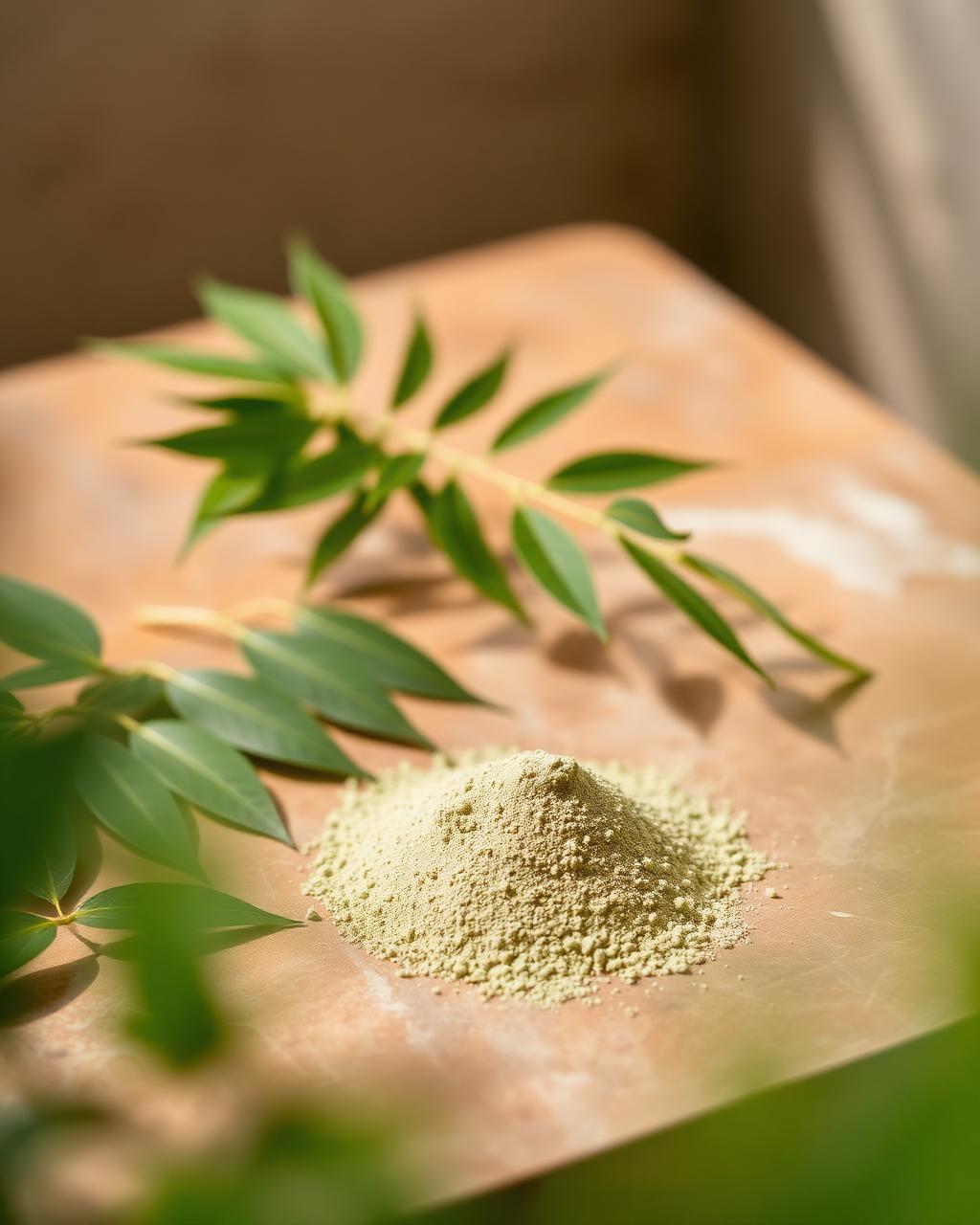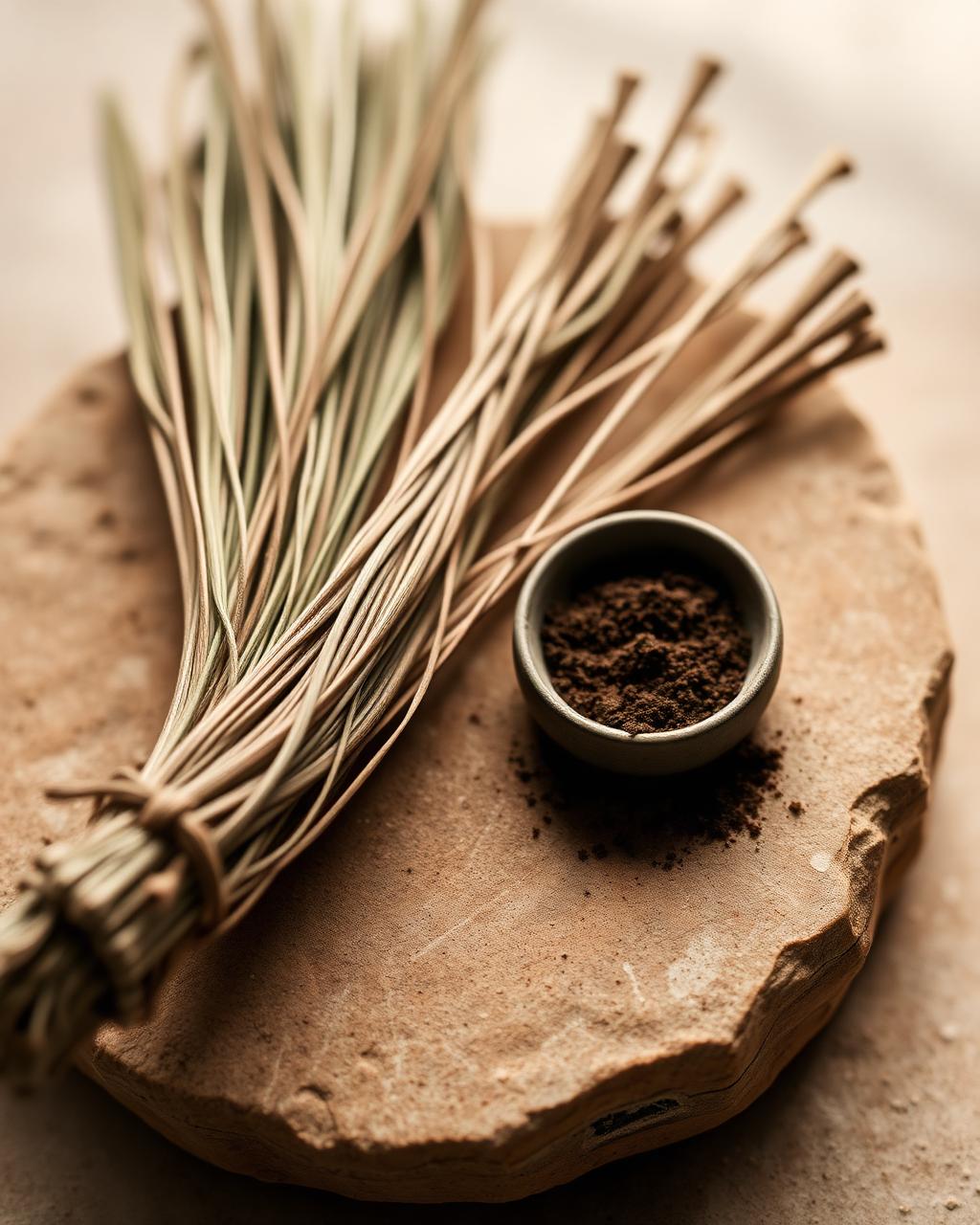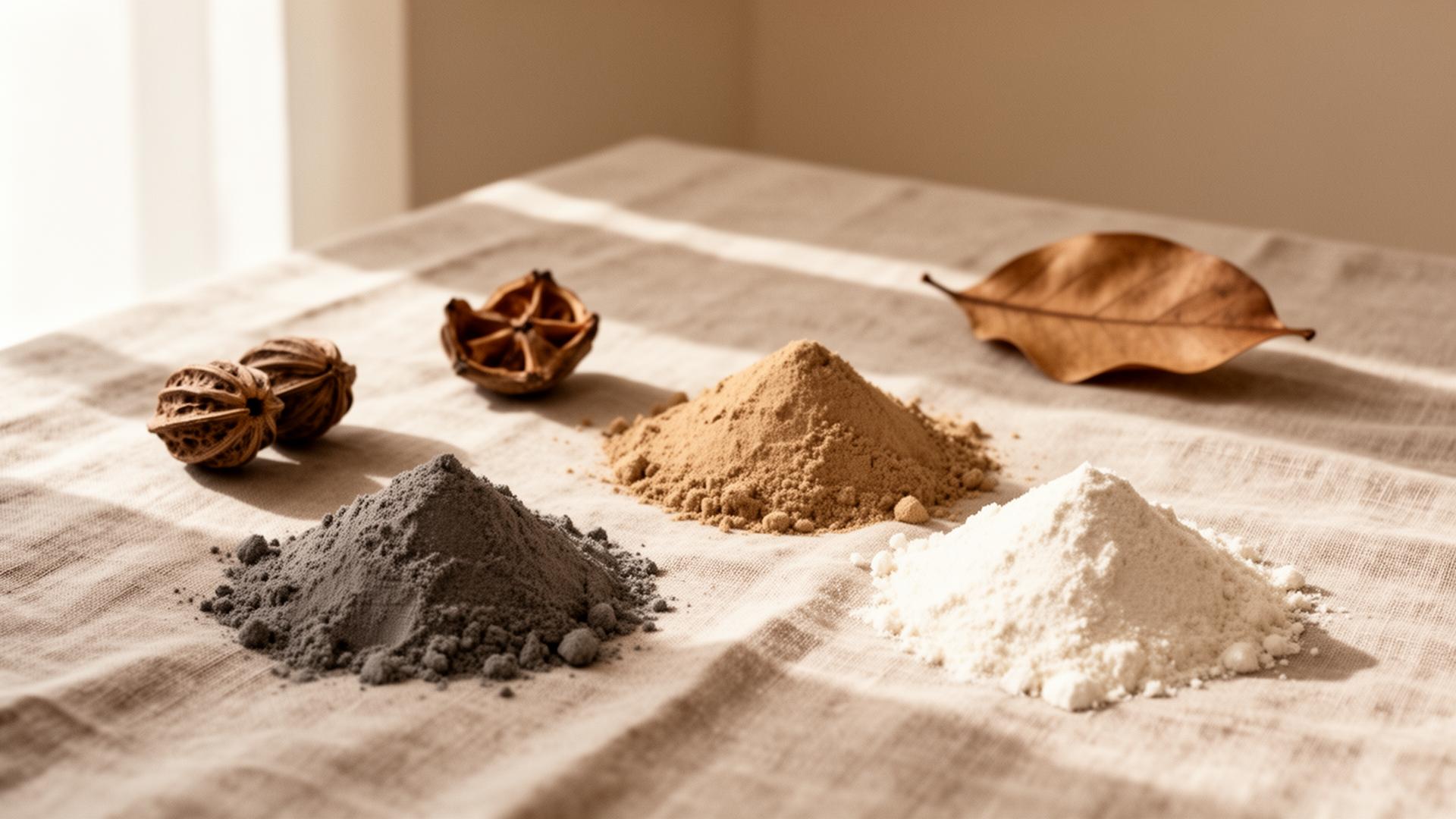
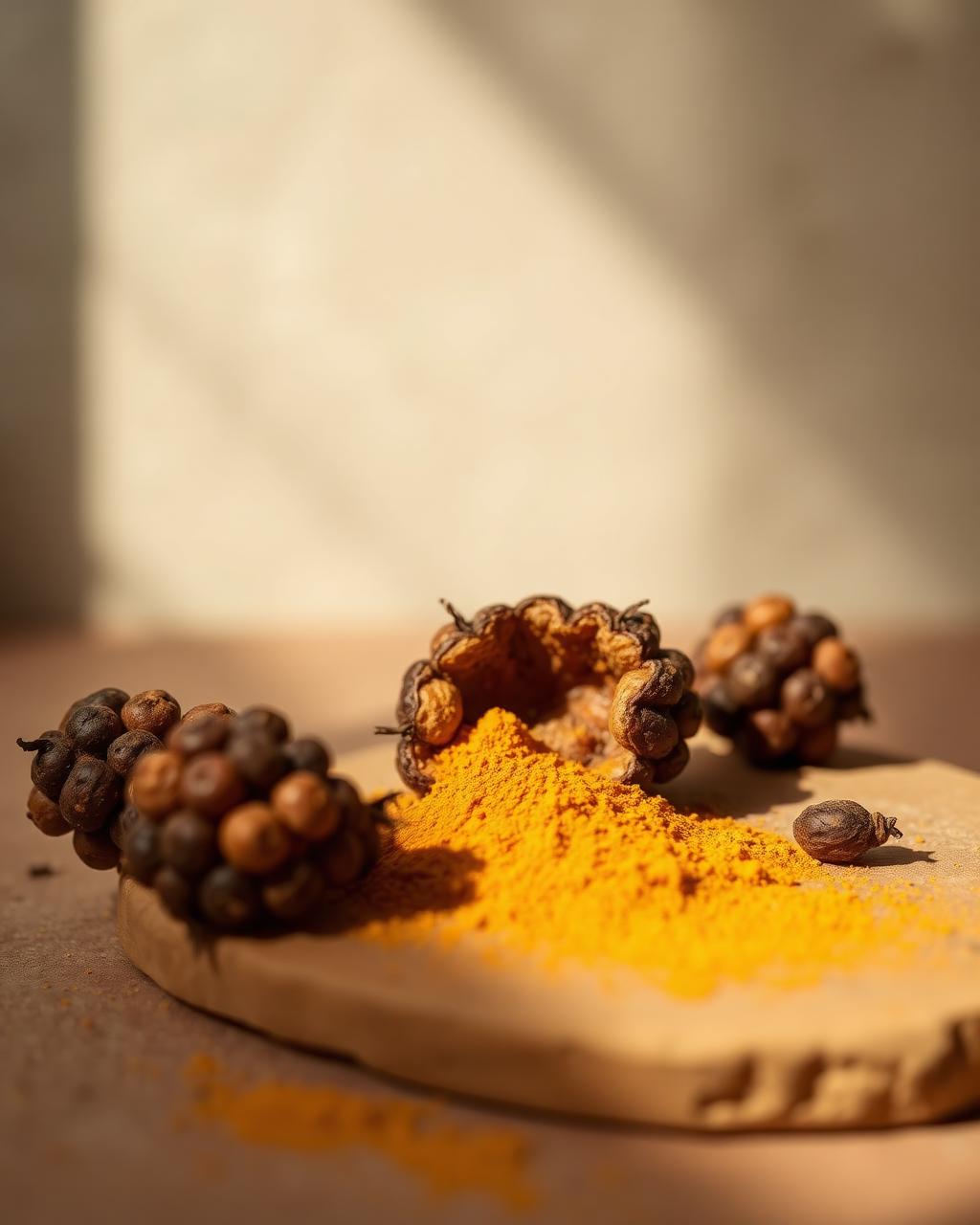
Concentrated Ayurvedic botanical powders on warm stone

The Ingredient Index — Edition 01

Thirteen botanicals,
chosen for what they do.

Composition

A material library

Every formula at KESH is built around a closed list. No fillers, no marketing actives, no ingredient that isn't pulling weight in the wash.

What follows is the working pharmacopoeia of the studio — read it as a material library, not a tradition.

ICleanse

Saponins. Surface tension broken, the lipid barrier left whole.

Reetha (Sapindus mukorossi)
01

Reetha

Sapindus mukorossi

Family · Sapindaceae
Native · Himalayan India, Nepal
pH in solution · 6.0 – 7.0

Saponin foam, lifted from the soapberry. The reason hair feels washed.

Reetha is the studio's primary cleanser. Its naturally occurring saponins emulsify sebum and lift product residue without the lipid stripping caused by sulfates. Used alone it tilts toward dryness — which is why it never appears alone.

Held in proportion to mucilage botanicals and acidic counterparts, reetha gives the foam consumers expect and the cleanliness scalps actually need.

  • Cleanse
  • Foam
  • Anti-residue
Shikakai (Acacia concinna)
02

Shikakai

Acacia concinna

Family · Fabaceae
Native · Central & southern India
pH in solution · 4.5 – 5.5

A naturally acidic saponin pod. Cleanses inside the cuticle's resting pH.

Shikakai — Sanskrit for "fruit for the hair" — works in the same chemical family as reetha but at a lower pH. The result is a gentler wash that preserves the cuticle's closed orientation and reduces the need for added acidifiers in the formula.

Pairs structurally with marshmallow root and aloe; held away from high-alkaline clays.

  • Cleanse
  • pH support
  • Cuticle care
Soapwort root (Saponaria officinalis)
03

Soapwort root

Saponaria officinalis

Family · Caryophyllaceae
Native · Europe, Western Asia
pH in solution · 6.5 – 7.5

The botanical historically used to clean silk and ancient tapestries.

Soapwort produces a soft, low-volume foam — engineered for surface, not show. The studio uses it as a tertiary surfactant: it rounds the lather profile and softens the perceived strength of reetha without adding harshness.

A European counterpart to the Indian saponin tradition, included to widen the formula's geographic vocabulary.

  • Cleanse
  • Foam softening

IIBalance

Acidifiers, mucilage, mineral. The post-cleanse recalibration.

Amla (Phyllanthus emblica)
04

Amla

Phyllanthus emblica

Family · Phyllanthaceae
Native · India, Southeast Asia
pH in solution · 3.0 – 4.5

A vitamin-C dense fruit concentrate. Pigment integrity, scalp acidity.

Amla is the formula's primary acidifier. Its high tannin and polyphenol content tightens the cuticle after cleansing, returns shine through smooth surface optics, and supports the natural pigment depth of the hair shaft.

Held in proportion: too much amla on porous hair reads as astringent. Too little and the formula loses its anchoring acidity.

  • Acidifier
  • Cuticle seal
  • Antioxidant
Hibiscus (Hibiscus rosa-sinensis)
05

Hibiscus

Hibiscus rosa-sinensis

Family · Malvaceae
Native · Tropical Asia
pH in solution · 3.0 – 5.0

Mucilage and mild fruit acids. Smooths the cuticle, defines movement, holds shine.

Hibiscus contributes the polysaccharide film that gives the wash its slip — the difference between a powder that feels mineral and one that feels luxurious. The mild anthocyanin acidity supports cuticle closure without aggressive astringency.

Particularly effective in the curl and coily formulas, where slip is non-negotiable.

  • Slip
  • Curl definition
  • Shine
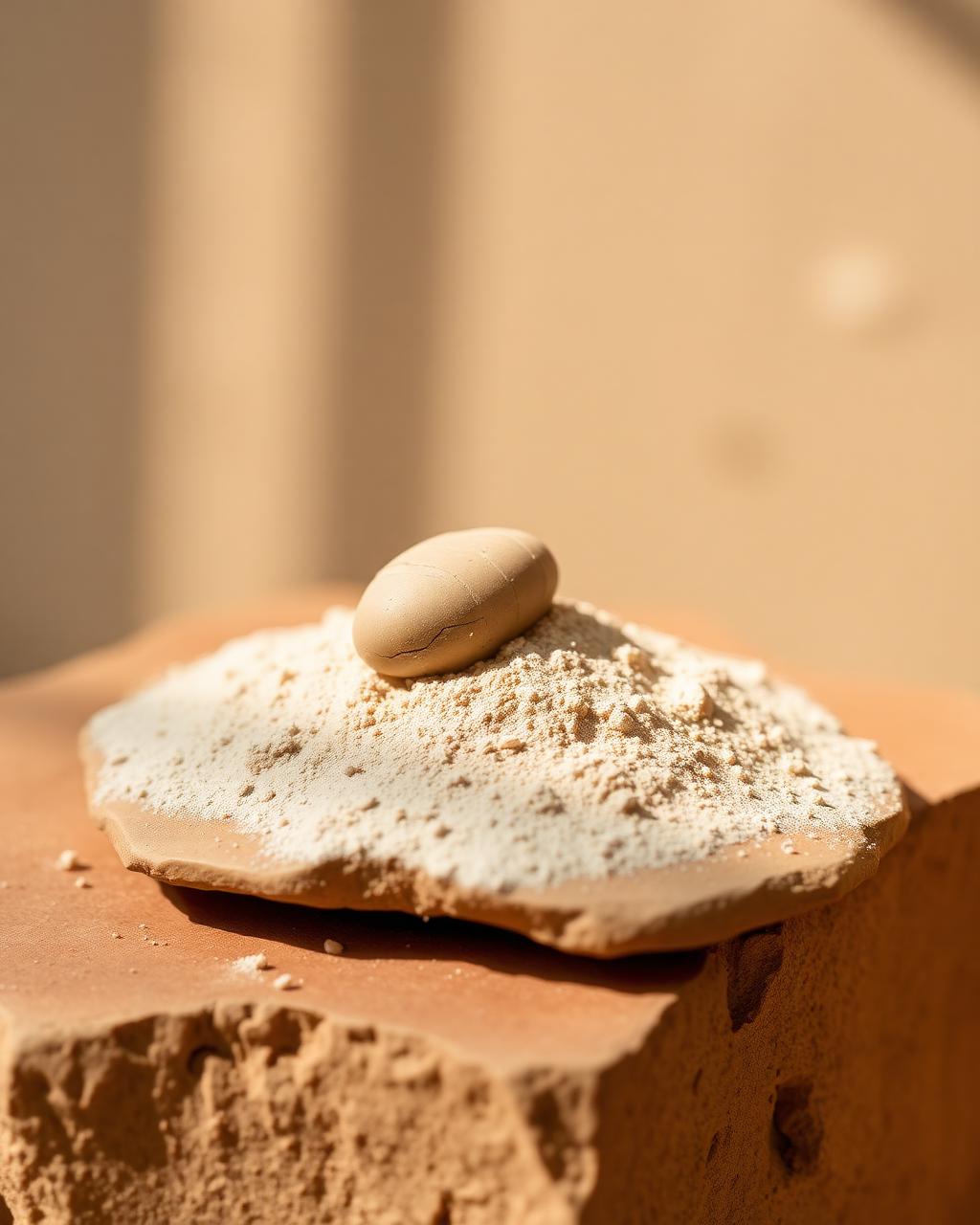
Multani mitti (Fuller's Earth)
06

Multani mitti

Fuller's Earth

Family · Hydrated aluminum silicate (clay mineral)
Origin · Multan basin, India
pH in solution · 7.0 – 9.0

A mineral clay with high oil-binding surface area. Decongests and de-weights at the root.

Multani mitti adsorbs sebum and product residue at the molecular level, lifting weight from the scalp without the over-drying associated with chemical clarifiers. Used at low percentage and counterbalanced with acidic botanicals to keep the cuticle closed.

Reserved for the oilier-scalp formulations and the weekly clarifying ritual.

  • Clarify
  • Sebum binding
  • Volume

IIISoothe

Polysaccharides, glycyrrhizin, eugenol. Calming what the cleanse provokes.

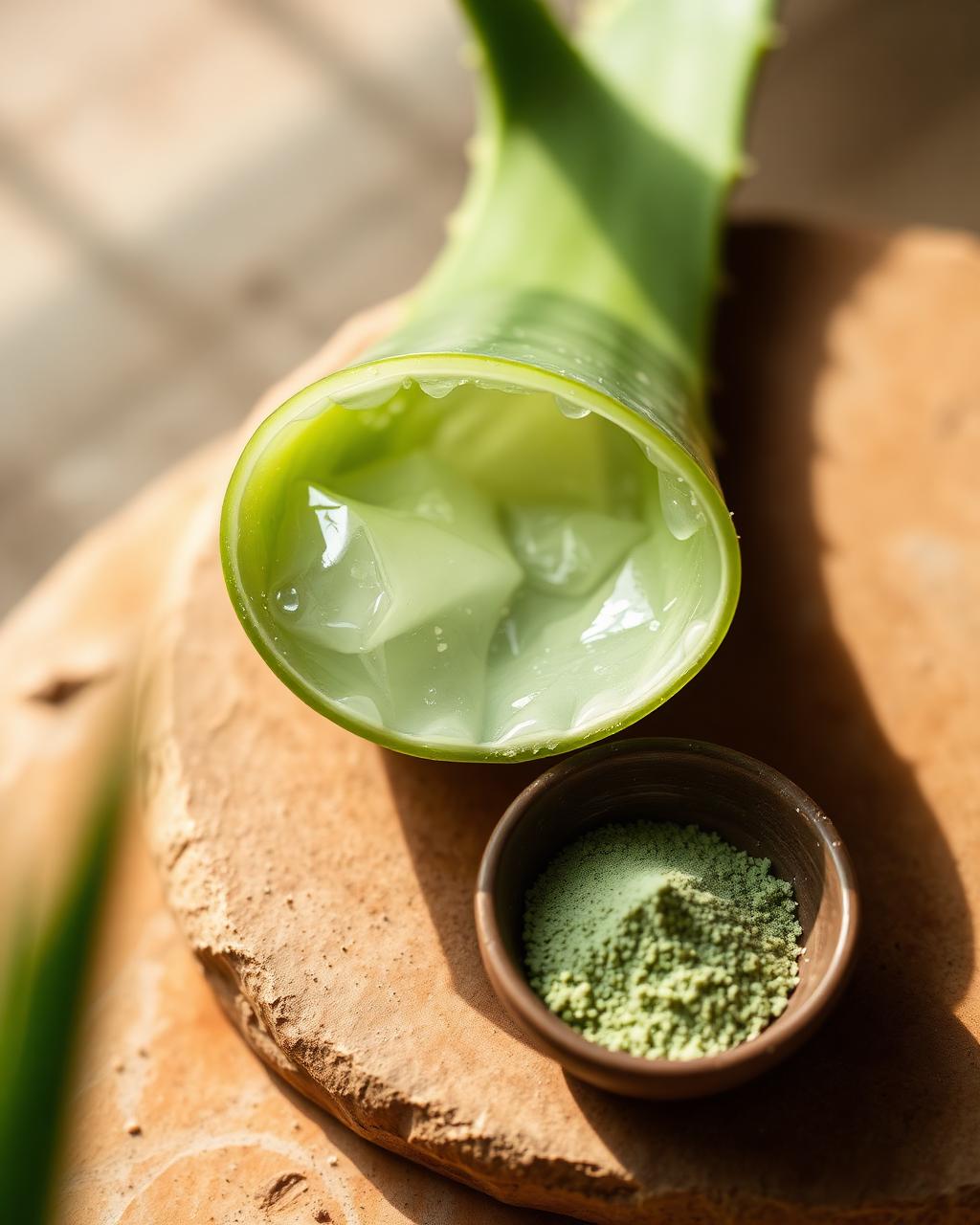
Aloe vera (Aloe barbadensis)
07

Aloe vera

Aloe barbadensis

Family · Asphodelaceae
Native · Arabian Peninsula
pH in solution · 4.5 – 6.0

Acemannan polysaccharides form a bioactive film across the scalp. Hydration retention without weight.

Aloe is the studio's primary scalp humectant — drawing moisture in and binding it without occluding the follicle. Its near-neutral pH allows it to be deployed across all formulas as a buffer against irritation from clays, neem, or strong saponins.

Freeze-dried into powder form, then reactivated on contact with warm water in the wash.

  • Hydration
  • Barrier
  • Buffer
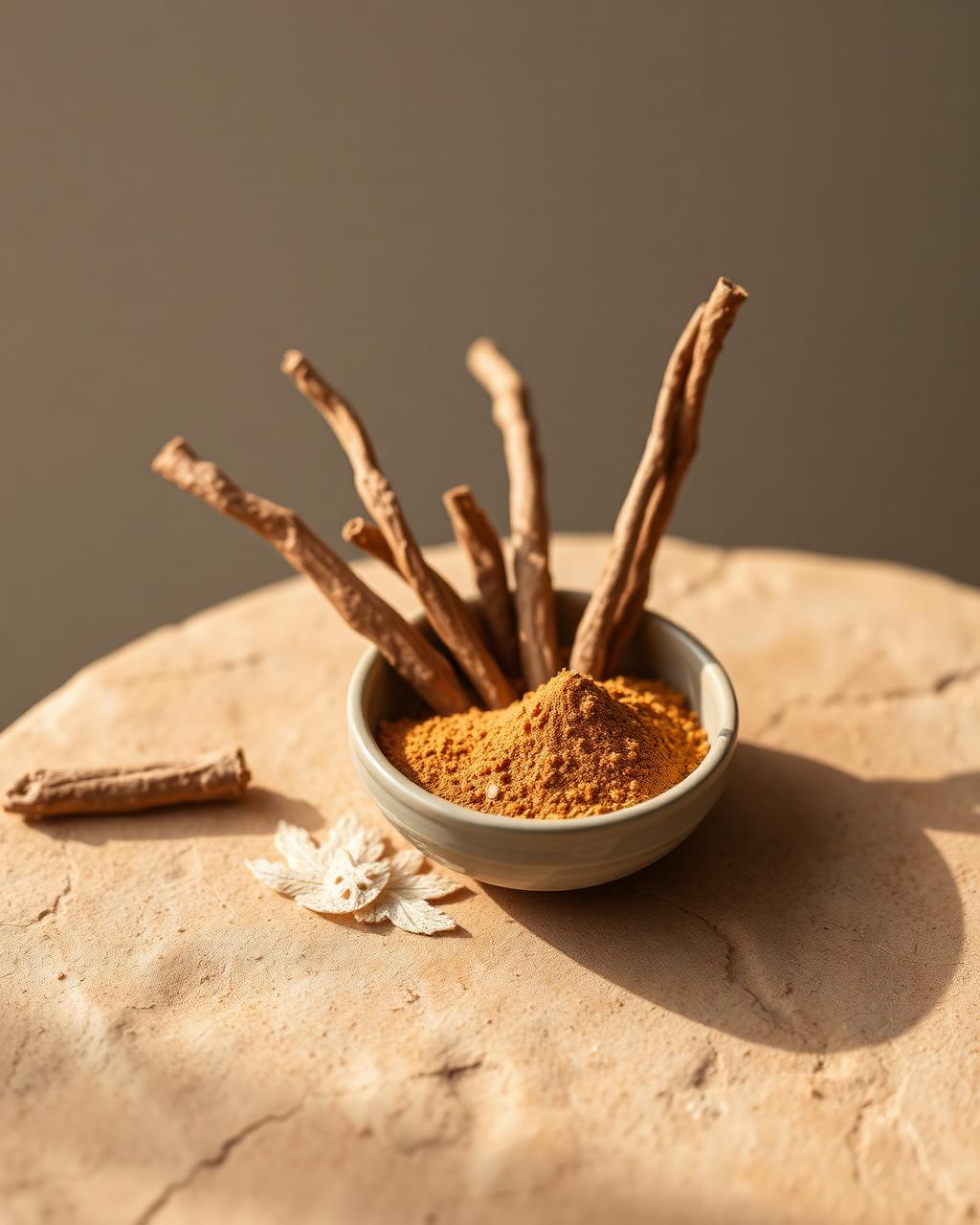
Licorice root (Glycyrrhiza glabra)
08

Licorice root

Glycyrrhiza glabra

Family · Fabaceae
Native · Southern Europe, Western Asia
pH in solution · 5.0 – 7.0

Glycyrrhizin and glabridin — anti-inflammatory and brightening at the scalp surface.

Licorice root reduces the inflammatory mediators that cause scalp redness and sensitivity. Glabridin, its signature flavonoid, modulates pigmentation pathways and visibly evens the scalp tone over consistent use.

The studio's most reliable counterweight to neem, tulsi, and high-saponin loads.

  • Anti-inflammatory
  • Brightening
  • Sensitive scalp
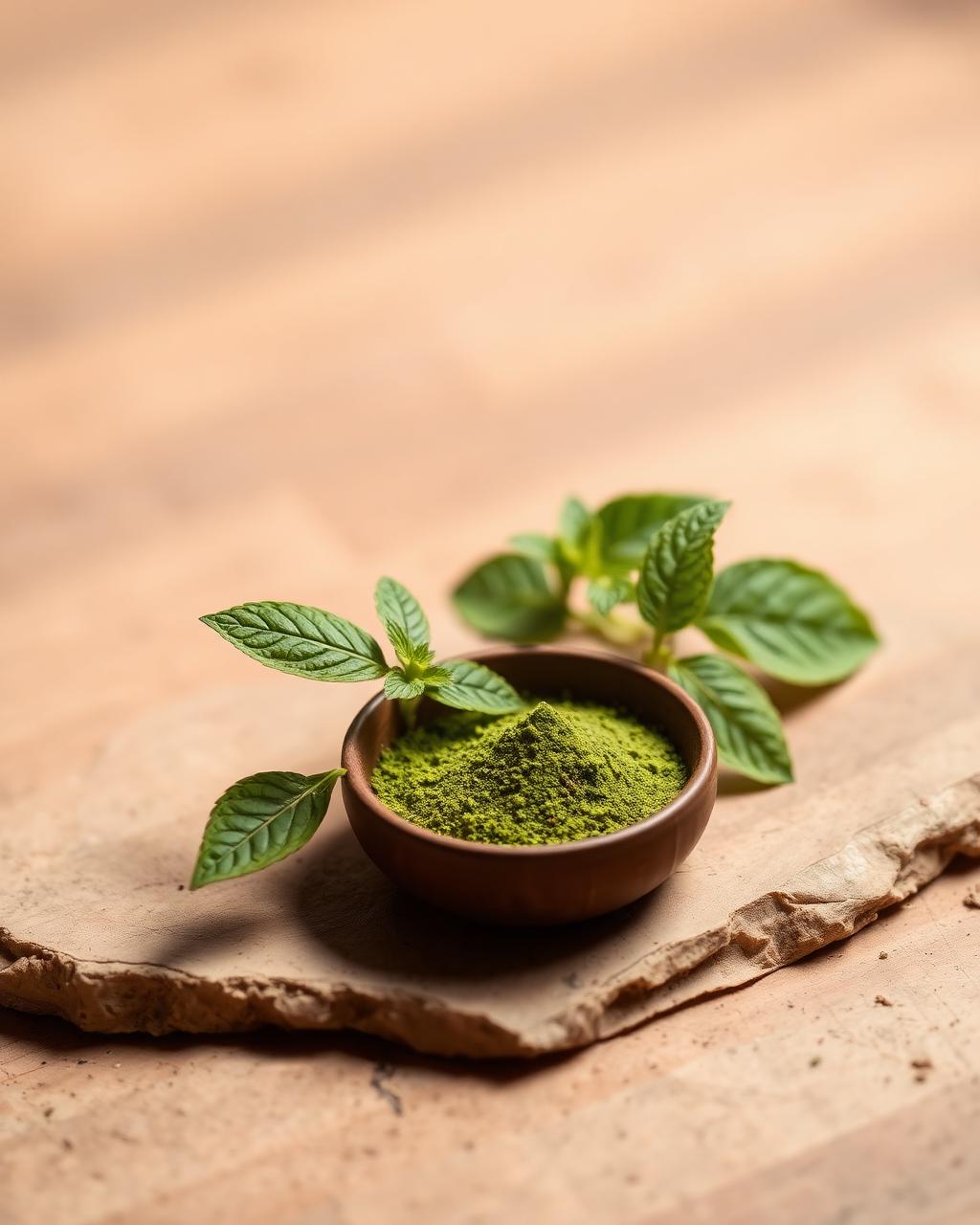
Tulsi (Ocimum tenuiflorum)
09

Tulsi

Ocimum tenuiflorum

Family · Lamiaceae
Native · India
pH in solution · 5.0 – 7.0

Eugenol and rosmarinic acid — antioxidants tuned for urban scalp recovery.

Tulsi is included for what an urban, polluted environment requires: a botanical defense layer against oxidative stress and microbial overload at the scalp surface. Its antimicrobial fraction is gentler than neem, allowing daily-use compatibility.

Adds an herbal-tea note in the early phase of the wash; scent is rounded by the formula's vetiver base.

  • Antioxidant
  • Antimicrobial
  • Urban scalp

IVStrengthen

The follicular layer. Long-form performance, measured in months.

Brahmi (Bacopa monnieri)
10

Brahmi

Bacopa monnieri

Family · Plantaginaceae
Native · India, Southeast Asia wetlands
pH in solution · 5.0 – 7.0

Calms the scalp microbiome. Reduces inflammatory signal.

Brahmi's bacosides support local microcirculation at the scalp surface, contributing to follicle vitality over consistent use. The calmer scalp environment reduces the inflammatory triggers associated with shedding.

A long-form ingredient. Its returns are measured in weeks, not in the first wash.

  • Microcirculation
  • Scalp vitality
Bhringraj (Eclipta prostrata)
11

Bhringraj

Eclipta prostrata

Family · Asteraceae
Native · India, Southeast Asia
pH in solution · 5.0 – 7.0

Fortifies follicular structure. The oldest of the Ayurvedic hair pharmacopoeia.

Bhringraj's signature compound, wedelolactone, is associated with stronger anchoring at the root and antioxidant support of pigment cells. Used in the studio's formulas at proportions tuned for scalp delivery rather than maceration intensity.

Finely milled to avoid the gritty, muddy texture associated with the herb at lower processing standards.

  • Follicle support
  • Pigment
  • Heritage active

VProtect & Sensory

Antimicrobial intelligence and the architecture of scent.

Neem (Azadirachta indica)
12

Neem

Azadirachta indica

Family · Meliaceae
Native · Indian subcontinent
pH in solution · 5.0 – 7.0

Antimicrobial intelligence. Restores equilibrium without strip.

Azadirachtin and nimbidin disrupt microbial overgrowth at the scalp without the harshness of chemical antifungals. Used at low percentage by design — its purpose is to keep the scalp's microbial population in balance, not to sterilize it.

Paired in formula with aloe and licorice to soften the medicinal note neem can carry.

  • Antifungal
  • Sebum regulation
  • Microbiome
Vetiver (Vetiveria zizanoides)
13

Vetiver

Vetiveria zizanoides

Family · Poaceae
Native · India
pH in solution · 5.0 – 7.0

Cooling root. Deep base note. Sensory architecture in the bottom register.

Vetiver is the formula's olfactory anchor — a smoky, mineral root that gives the wash its base note and absorbs the sharper edges of the herbal layer. On the scalp, its volatile sesquiterpenes register as a cool, lifted sensation.

Finely milled to avoid the fibrous texture associated with raw root powder.

  • Base note
  • Cooling
  • Microbiome

A note from the studio

"Every botanical in the formula has to earn its weight in grams.

If it is not doing structural work in the wash, it does not enter the formula."

← Return to the House
— The Ingredient Index, Edition 01